
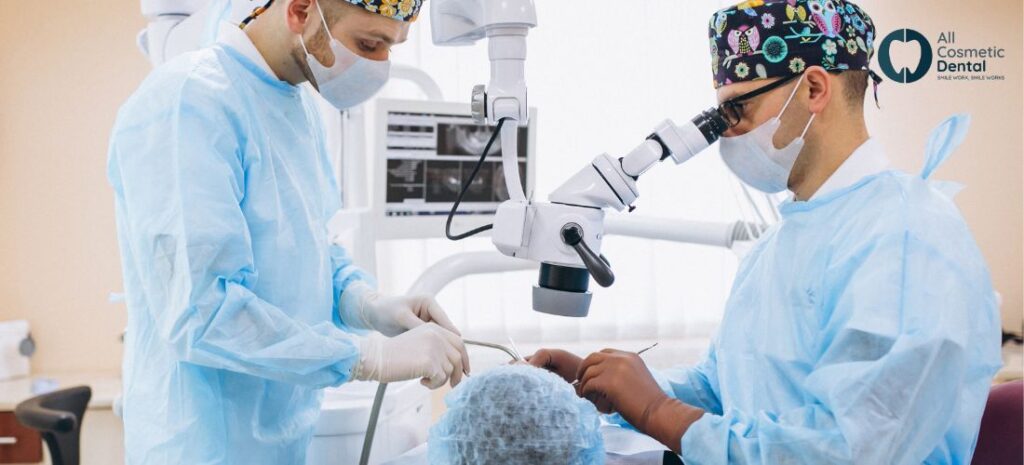
Oral surgery is a specialised branch of dentistry that involves surgical procedures on the teeth, gums, jaw, and facial structures. These procedures address various dental and medical conditions, improving function, health, and aesthetics. Whether it’s wisdom tooth extraction, dental implants, or corrective jaw surgery, oral surgery is crucial in maintaining long-term oral health.
Knowing when oral surgery is necessary, the procedures it includes, and the recovery process helps patients make well-informed dental care choices.
What Does Oral Surgery Involve?
Oral surgery includes minor and major procedures that require surgical intervention to resolve dental or structural issues. These surgeries range from routine extractions to complex jaw reconstructions.
Key Aspects of Oral Surgery:
- Performed by Specialists: Typically done by oral and maxillofacial surgeons, but general dentists and endodontists may handle minor procedures.
- Addresses Functional & Aesthetic Issues: Corrects problems like missing teeth, jaw misalignment, and impacted wisdom teeth.
- May Require Anesthesia: Depending on the complexity, procedures may involve local anesthesia, sedation, or general anesthesia.
Common Oral Surgery Procedures
1. Tooth Extractions
Tooth extraction is a frequently performed oral surgery required when a tooth is extensively decayed, infected, or contributing to overcrowding.
- Routine Extractions: These are done when a tooth is visible and can be removed with forceps.
- Surgical Extractions: Required for impacted teeth, especially wisdom teeth that fail to erupt correctly.
Why are wisdom teeth removed?
Wisdom teeth often cause crowding, pain, and infection due to lack of space. Removing them prevents complications like gum disease, cyst formation, and damage to neighbouring teeth.
2. Dental Implants
A dental implant is the most advanced solution for replacing missing teeth. They provide a permanent, natural-looking alternative to dentures and bridges.
How does a dental implant work?
A titanium implant is placed into the jawbone through surgery, serving as a replacement root. As it heals, the implant integrates with the jawbone, creating a strong base for a dental crown, bridge, or denture.
Benefits of Dental Implants:
- Strong and durable, lasting decades
- Prevents bone loss in the jaw
- It provides a natural appearance and function
To learn more about different dental implant techniques, check out our detailed comparison: Guided Vs Non-Guided Dental Implant Surgery.
3. Root Canal Therapy
A root canal is a procedure designed to save a tooth that has been extensively infected or damaged. The infected pulp is extracted rather than removing the tooth, and the inner chamber is thoroughly cleaned and sealed.
Signs you may need a root canal:
- Persistent tooth pain
- Sensitivity to hot and cold
- Swollen or tender gums
- Darkening of the tooth
How does a root canal save a tooth?
Root canal therapy relieves pain by removing the infected pulp, then sealing the tooth and reinforcing it with a Dental crown to maintain its structure.
For a deeper understanding of the procedure, read our detailed guide: What is a Root Canal?
4. Corrective Jaw Surgery (Orthognathic Surgery)
Corrective jaw surgery addresses irregularities in jaw structure, which may affect chewing, speaking, and breathing.
Who Needs Jaw Surgery?
Patients with severe misalignment, congenital defects, or trauma may require surgery to reposition the jaw for improved function and facial symmetry.
Recovery Process:
- Swelling and discomfort subside within two weeks
- Jaw function gradually improves over several months
5. Bone Grafting for Dental Implant
Jawbone loss can result from missing teeth, periodontal disease, or injury. Bone grafting rebuilds the jawbone, strengthening it enough to support dental implants.
Types of Bone Grafts:
- Autografts – Bone taken from the patient’s body
- Allografts – Bone from a donor
- Synthetic Grafts – Artificial bone materials
Bone grafting ensures that implants have a solid foundation, improving their long-term success.
6. Gum Grafts for Receding Gums
Gum recession exposes teeth’ roots, increasing sensitivity and the risk of decay. Gum grafting involves covering receding gums with healthy tissue to protect teeth and improve oral health.
Benefits of Gum Grafts:
- Protects tooth roots from decay
- Reduces sensitivity
- Enhances smile aesthetics
When is Oral Surgery Necessary?
Oral surgery is typically recommended when non-surgical treatments are insufficient. Some common reasons include:
- Severe Tooth Decay – When a tooth cannot be saved with a filling or crown
- Impacted Wisdom Teeth – Causing pain, swelling, or infection
- Missing Teeth – Requiring dental implants for restoration
- Jaw Misalignment – Affecting speech and chewing function
- Facial Trauma or Injuries – Fractured jaws or knocked-out teeth
What to Expect Before & After Oral Surgery
Before Surgery:
- Initial Consultation: X-rays and medical history review
- Fasting Requirements: Some surgeries require fasting for 6–8 hours
- Anesthesia Discussion: Local, sedation, or general anesthesia options
After Surgery:
- Pain Management: Prescription or over-the-counter pain relievers
- Swelling Control: Ice packs and soft foods for the first few days
- Oral Hygiene: Gentle brushing and avoiding certain foods
Recovery Tips for Oral Surgery
- Follow Post-Operative Instructions – Adhering to guidelines reduces complications
- Stick to a Soft Diet – Eat soft foods and avoid anything hard or crunchy to prevent irritation and support proper healing.
- Maintain Good Oral Hygiene – Prevents infection and promotes faster healing
- Avoid Smoking & Alcohol – Delays healing and increases infection risk
Who Performs Oral Surgery?
Oral and Maxillofacial Surgeons
Specialists trained to perform complex surgeries involving the teeth, jaw, and face.
General Dentists
May handle minor surgical procedures, such as extractions and root canals.
Endodontists
Experts in root canal treatments and other procedures involving the inner tooth structure.
Conclusion
Oral surgery is essential for addressing dental issues that go beyond routine treatments. Whether it’s tooth extractions, dental implants, root canals, or jaw surgery, these procedures enhance oral health and overall well-being.
If you need expert care for oral surgery, dental implants, root canals, or dental crowns, consult the experienced team at All Cosmetic Dental to find the best treatment plan tailored to your needs.
FAQs
How painful is oral surgery?
Oral surgery is typically not painful during the procedure because dentists and oral surgeons use local anesthesia, sedation, or general anesthesia to numb the area. However, mild to moderate discomfort and swelling are common after the procedure. Pain levels vary depending on the type of surgery, but prescribed painkillers or over-the-counter medications like ibuprofen can help manage it. Most patients experience the most discomfort in the first 48 hours, with significant improvement after a few days.
How long does oral surgery recovery take?
Recovery time depends on the procedure performed and the patient’s overall health. Here’s a general timeline:
- Simple tooth extraction: 3–5 days
- Wisdom tooth removal: 7–10 days
- Dental implants: 3–6 months for full healing (implant integration)
- Jaw surgery: 6–12 weeks for initial recovery, full healing takes months
To speed up recovery, follow post-op care instructions, avoid hard foods, and maintain good oral hygiene.
Can I eat after oral surgery?
Yes, but you should stick to soft foods for the first few days. Immediately after surgery, avoid hot, spicy, or crunchy foods that may irritate the surgical site. Instead, opt for:
- Mashed potatoes
- Yogurt
- Scrambled eggs
- Smoothies
- Soup (not too hot)
Avoid using a straw, as suction can dislodge the blood clot, leading to a painful condition called dry socket. Gradually reintroduce solid foods as healing progresses.
Do I need a referral for oral surgery?
It depends on the complexity of your case and your location. For routine extractions, a general dentist can often perform the procedure without a referral. However, for more complex procedures (e.g., impacted wisdom teeth, jaw surgery, or dental implants), a referral to an oral surgeon may be required. Some insurance providers also require a referral for coverage purposes. It’s best to check with your dentist and health insurance provider to confirm.