
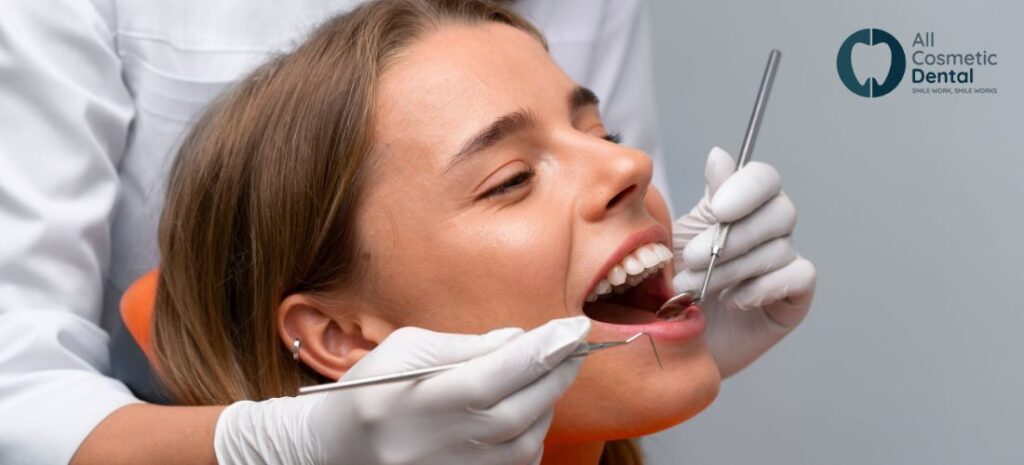
Restorative dentistry focuses on diagnosing and managing oral health issues related to damaged or missing teeth. Its primary aim is to restore the function and appearance of the dentition, ensuring patients can chew, speak, and smile with confidence. Procedures range from simple fillings to complex dental implants, all tailored to meet individual needs.
When is Restorative Dentistry Needed?
Restorative dentistry becomes essential when teeth are affected by decay, trauma, or disease, leading to compromised function or aesthetics. Common scenarios include cavities, fractured teeth, or tooth loss. Addressing these issues promptly not only restores oral functionality but also prevents further deterioration and potential health complications.
Common Restorative Dentistry Procedures
1. Dental Fillings
Dental fillings are used to repair teeth with minor decay or fractures. The process includes extracting the decayed area and restoring the tooth with materials such as composite resin, amalgam, or gold. This restores the tooth’s structure and prevents further decay.
Benefits:
- Preservation of Natural Tooth: Maintains the majority of the tooth’s original structure.
- Durability: Modern filling materials are long-lasting and blend seamlessly with natural teeth.
Considerations:
- Material Choice: Composite resins offer aesthetic appeal but may be less durable than amalgam in certain situations.
2. Dental Crowns
A dental crown is a protective cap fitted over a compromised tooth to restore its shape, size, and durability. Crowns are commonly made from porcelain, ceramic, or metal alloys.
Benefits:
- Protection: Shields weakened teeth from further damage.
- Aesthetic Improvement: Porcelain and ceramic crowns can match the natural tooth color.
Considerations:
- Multiple Visits: Typically requires two appointments—one for tooth preparation and another for crown placement.
For an in-depth look at dental crowns, materials, and procedures, read our guide: Complete Guide to Dental Crowns: Everything You Need to Know.
3. Dental Bridges
A dental bridge closes the gap caused by missing teeth by anchoring artificial teeth to neighboring natural teeth or implants, enhancing both function and stability.
Benefits:
- Restored Functionality: Improves chewing and speaking abilities.
- Preventing Teeth Shifting: Maintains proper alignment by preventing neighboring teeth from moving into the gap.
Considerations:
- Support Requirement: Requires healthy adjacent teeth for support, which may need to be reshaped.
4. Dental Implants
Dental implants offer a long-term, reliable option for restoring missing teeth. The procedure includes surgically embedding a titanium post into the jawbone to serve as an artificial root. Once healed, a crown is secured to the post, creating a realistic and fully functional tooth replacement.
Benefits:
✔ Long-Lasting Solution: With proper maintenance, dental implants can remain functional for a lifetime.
✔ Jawbone Support: Helps maintain bone density by stimulating the jaw, preventing deterioration from missing teeth.
Considerations:
- Surgical Procedure: Involves surgery and a healing period before the final crown placement.
- Cost: Generally more expensive than other restorative options but offers long-term benefits.
5. Dentures
Dentures are detachable prosthetics designed to restore missing teeth and surrounding oral structures. They come in two main types: complete dentures for all missing teeth and partial dentures when some natural teeth remain.
Benefits:
- Affordability: Typically less expensive than implants or bridges.
- Non-Invasive: No surgery required for placement.
Considerations:
- Stability: May shift during eating or speaking; adhesives can help but don’t always provide a perfect solution.
- Maintenance: Requires regular cleaning and may need adjustments over time.
To ensure your dentures remain in top condition, follow our detailed care guide: How To Clean Dentures: A Step-By-Step Guide For Oral Hygiene.
6. Root Canal Therapy
Root canal therapy treats infections within a tooth’s pulp (the innermost part). The process includes extracting the infected tissue, disinfecting the canal, and sealing it to stop further infection. A crown is often placed afterward to restore strength.
Benefits:
- Relieves Discomfort: Removes the infection, alleviating pain and restoring oral health.
- Tooth Preservation: Saves the natural tooth, avoiding extraction.
Considerations:
- Multiple Visits: Some cases may require more than one appointment.
- Post-Treatment Care: Proper oral hygiene is essential to prevent reinfection.
Benefits of Restorative Dentistry
Restorative dentistry helps repair damaged teeth while improving overall oral health. Here’s why these treatments are important:
✔ Restores Proper Function: Damaged or missing teeth make eating and speaking difficult. Treatments like crowns, implants, and dentures restore proper bite function, making everyday tasks more comfortable.
✔ Enhances Appearance: Gaps, cracks, or worn teeth can impact confidence. Procedures like dental implants and bridges help rebuild a natural-looking smile, improving self-esteem.
✔ Prevents Further Dental Issues: Ignoring dental damage can lead to infections, shifting teeth, or bone loss. Early intervention with fillings, root canals, or implants prevents long-term complications.
✔ Preserves Jawbone Health: Tooth loss leads to bone deterioration over time. Dental implants stimulate the jawbone, maintaining structure and preventing facial collapse.
What’s the Recovery Time After a Restorative Dentistry Procedure?
The healing period following a restorative dental procedure depends on the specific treatment performed and how quickly an individual’s mouth responds to recovery. Some treatments require minimal downtime, while others take longer for full recovery.
- Dental Fillings: Most people can resume normal activities immediately, but mild sensitivity may last a few days.
- Crowns & Bridges: Patients typically adjust within a week, though some sensitivity might persist.
- Root Canal Treatment: Soreness may last a few days, but full healing can take a few weeks.
- Dental Implants: Soft tissue healing takes about 1–2 weeks, while complete fusion with the jawbone (osseointegration) can take 3–6 months.
- Dentures: It may take several weeks to adjust, with minor soreness and changes in speech.
- Inlays & Onlays: Recovery is quick, with most people feeling normal within a day.
To speed up recovery, follow post-treatment care guidelines, avoid hard foods, maintain good oral hygiene, and take prescribed medications if necessary.
What Are the Risks of Restorative Dentistry?
Although restorative dentistry focuses on repairing and improving teeth, every dental procedure carries some potential risks. Being aware of potential complications helps in making informed decisions.
- Temporary Sensitivity: Patients may experience mild discomfort or sensitivity to hot and cold after fillings, crowns, or inlays.
- Gum Irritation: Some treatments may cause slight inflammation, which usually subsides within a few days.
- Infection Risk: Though rare, infections can occur if bacteria enter the treated area, especially after procedures like root canals or implants.
- Bite Misalignment: A poorly fitted crown, bridge, or denture may cause an uneven bite, requiring minor adjustments.
- Restoration Wear or Failure: Dental fillings, crowns, and implants may wear down, loosen, or sustain damage over time, especially if exposed to excessive pressure or not maintained properly.
- Nerve Damage (Rare): In cases where dental work is close to a nerve, temporary or permanent numbness may occur.
Most risks can be avoided with proper dental care, regular check-ups, and following post-treatment instructions.
What Are the Advantages of Restorative Dentistry?
Restorative dentistry is more than just fixing damaged teeth it helps improve oral health, function, and overall well-being.
- Restores Chewing & Speaking Ability: Replacing missing or damaged teeth allows for easier eating and clearer speech.
- Prevents Further Damage: Treating decay and fractures early stops them from worsening and leading to tooth loss.
- Enhances Appearance: Modern restorations blend seamlessly with natural teeth, improving the overall smile.
- Long-Lasting Results: With proper care, dental crowns, implants, and bridges can last many years or even a lifetime.
- Boosts Confidence: Having a full, healthy smile improves self-esteem and encourages social interactions.
- Supports Jawbone Health: Unlike traditional dentures, dental implants help maintain bone density and prevent bone loss.
- Improves Oral Hygiene: Well-fitted restorations make it easier to brush and floss, reducing the risk of gum disease and cavities.
By investing in restorative dentistry, patients can enjoy a healthier, stronger, and more confident smile for years to come.
Choosing the Right Restorative Dentist
Selecting a skilled and experienced dentist is essential for effective and long-lasting restorative treatments. Consider the following factors:
- Credentials and Training: Ensure the dentist has specialised training in restorative procedures.
- Patient Feedback: Check testimonials or online reviews to understand other patients’ experiences and satisfaction levels.
- Technology and Techniques: A modern practice with up-to-date technology can provide more efficient and comfortable treatments.
- Personal Comfort: It’s essential to feel comfortable and confident in your dentist’s care.
For expert restorative dental care, visit All Cosmetic Dental and explore treatment options tailored to your needs.
Conclusion
Restorative dentistry plays a key role in fixing damaged teeth, restoring missing ones, and enhancing oral function. By addressing decay, fractures, and tooth loss, these treatments help maintain proper chewing, speaking, and facial structure. Options like dental implants, crowns, bridges, and dentures restore both function and aesthetics, enhancing confidence and comfort. Seeking timely restorative care prevents further complications, preserving natural teeth whenever possible. Whether you need a simple filling or a full-mouth reconstruction, consulting a skilled dentist ensures long-term oral health and improved quality of life. Investing in dental restoration leads to a healthier, more confident smile.