
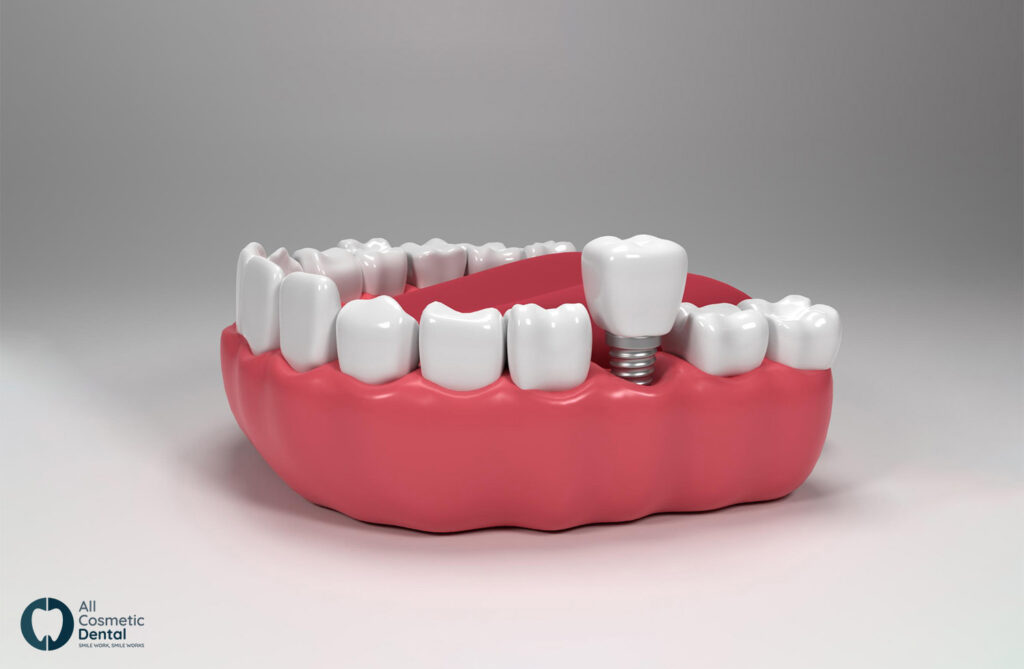
Tooth loss can be a devastatingly monumental moment in the life of a person. Falling out teeth either due to age or critical mishaps like robust impact or disease can put a damper on your self-confidence. But with the uproar of many highly advanced comprehensive treatment modules building a considerable pace, tooth loss can be corrected with premium quality materials and state-of-the-art technology – Dental implants.
Dental implants are titanium posts that are surgically implanted onto your jaw bone with a crown attached above the gum line to make it look natural. They are prosthetic devices that replace missing teeth in such a way that the metal post acts as the root component of the tooth and an abutment fitted on it acts as the crown component.
Read more about Dental Implants today by checking out our comprehensive guide on it.
What is Dental Tourism?
Dental implants are extensive surgical procedures that oftentimes cost an arm and a leg. A single-tooth implant in Australia can easily be priced anywhere from $3000 to $40,000. That’s a fortune! Fortunately, dental tourism has been picking up a storm and with good reason.
Dental tourism is a trend that is growing rapidly, what with the payment check that is easier on the eye and lighter on the wallet. With a booming market for dental tourism in Australia, Australia sees an average of 15,000 people travelling abroad each year to get dental treatment. A dental implant abroad may cost a quarter of the price in Australia! The most commonly visited places abroad for viable dental implants are Costa Rica, Thailand, Mexico, Poland, and India.
A contributing factor to this growing trend may be the never-ending waitlist in Australian dental clinics which can both aggravate and worry the patient. When you are in excruciating pain and your teeth require immediate attention, the last thing you would want to do is for you to get on a three-month waitlist! With limited finances and time on the line, people start looking for alternate options to get the treatment done faster and at a discounted price even factoring in travelling and accommodation expenses!
Risks of Getting Dental Implants Abroad
If we have piqued your interest in the incessantly tempting term “Dental tourism” and you are considering an easy escape to Thailand for a vacation cum dental procedure, you may want to be aware of the possible risks of an adventurous affair as such.
The Australian Dental Association (ADC) regularly warns the public to maintain caution when choosing the type of practice setup for a dental implant procedure. Despite prompt warnings, many people go in search of quicker and more affordable dental treatment plans that not only come with a variety of complications but will also be twice as expensive to fix. During your research, you may have come across patient horror stories who like you, had once considered the option of dental implants abroad.
While getting dental implants overseas may not always be a condemning feat, it may be a huge risk to take knowing the possible dangers.
● Possible chance of infection
Australian Dental Association is stringent about the sterilization process that every dental professional and supporting staff are expected to follow to eliminate the risk of contamination. Since placing a dental implant is a meticulous and hypercritical surgical procedure, the dentist is expected to strictly follow protocol in order to lessen the chances of complications and ease up the recovery process for the patient.
When you are getting a dental implant procedure done in a third-world country, you will not be able to establish that they do hold up to professional hygiene standards as clinics in Australia do and thus may increase your chances of getting an infection. A dental implant placed with poor infection control puts you at risk of cross-contamination and contracting new diseases!
● Limited availability of quality materials
Many overseas clinics offering low-cost dental implants may use substandard materials or cheaper components to save on expenses. These materials might not meet the rigorous quality standards upheld in countries like Australia, potentially leading to implant failures or long-term complications. Patients could face issues such as allergic reactions, implant fractures, or poor integration with the jawbone, which could necessitate costly corrective procedures back home. Ensuring the use of certified and high-quality materials is crucial when undergoing any dental implant procedure.
● Inability to verify the service provider’s credentials
A lot of these dental tourism-sustaining dental clinics support their practices solely based on websites and positive client reviews. There is no legitimate way for you to verify the credentials of the dental professional or find a reputable dentist in a land full of competitive dental magicians looking at the number of 5 stars and quality of the website. You may be risking a lot more than just a failed dental implant, and cue contamination!
● Lack of proper training
In Australia, the training procedure for all dental professionals is strict and they are to be registered with elite training and skill-check listings while also evolving as new technology comes into view. The abroad-trained dental practitioners, however, may not be up to par with the training modalities of Australian dentists. You will just have to go with the assumption that they are skilled and properly trained, which may put your oral health in jeopardy.
● Constrained time and rushed treatment
Mingling exotic vacation time with oral health treatment programs can put you in a situation where you may be pressed for time. The total recovery period for dental implants is at least 6 months, with 2 months spread apart between surgically inserting the titanium post and screwing on the crown.
Complex dental procedures such as dental implants should never be rushed and jammed with only a few weeks given for dental work where the tissues do not get adequate time to heal and may present with complications and a compromised dental implant.
● Little to no legal recourse
As a foreigner travelling to an unknown destination for dental treatment, you may not have legal rights as you may think you do. Often times than not, the dental professional not only turns out to be a fraud and a quack but you may also be denied refunds or corrective treatment in cases when the treatment is unsuccessful.
In cases of complications with the dental treatment where you are demanding refunds or rework, a lack of legal support means that you may have no other option but to return empty- handed with a mouth full of mistakes and ailments.
● Unsatisfactory results
After a glorious vacation and economy-class dental work, you might not be satisfied with your dental implant. Blame it on the lack of quality products or materials, you may end up being a guinea pig to those swindling dental professionals.
On top of all the heartache, the dental results may cause you, getting them “fixed” or reworked in Australia may be heavy on your pockets. You will end up paying the original price or even more than you would have paid had you done your procedure in Australia! Why go through all that trouble just to be disappointed? A visit to a trusted cosmetic dental implants clinic for fresh and quality dental implants that will not have you running around!
● Lack of follow-up
Since you will be flying in and out of the country in less than 3 weeks of your stay, there can be no follow-up at the clinics. At your local dentist, a follow-up every few weeks or so is mandatory after a dental procedure to check for any complicating or suspicious factors and to ensure that the recovery is going as planned. However, if you are getting your dental implants abroad, complications such as chipped porcelain, loose implant screws or loose crowns cannot be taken care of by the doctor who provided the dental implants. A new dentist will have to take a look at your case without your valuable dental history which may take you on a slippery slope.
● Questionable treatment quality
To account for cheaper procedures, many clinics abroad may also be working with cheaper instruments and materials thereby offering poorer quality treatment programs. Do not get lured by these cheap offers and compromise the health of your oral tissues!
● No treatment planning
A proper dental implant surgery must be comprehensive and often requires a combination of oral surgery, treatment for gums, possible root canal therapies, and possible orthodontic treatments alongside cosmetic correction. There is no way to allow adequate time for all of these procedures in a span of 2-3 weeks! Therefore they often place the implants with less than no regard for the health status of the patient. The dentists overseas will also not have access to your medical reports which can shake the affluence of the dental procedure.
Insertion of a dental implant is a delicate surgical procedure that should only be performed by professional dental practitioners with a verified dental qualification. Although it may be enticing to plan an exotic holiday while also taking care of your dental needs, it is always wise for you to book an appointment at a dental clinic that has been attested with a practising license from the Australian Dental Association as you will be guaranteed to receive the best treatment plan possible. So do not cut corners any longer with these sub-standard clinics abroad and get quality dental implants from All Cosmetic Dental, Contact Us Today!
Is it Safe to Get Dental Implants Overseas?
Getting dental implant abroad is possible if you choose a clinic known for experienced dentists and good practices. However, there are concerns such as hygiene issues, no follow-up care, and potential risks during or after the procedure. Researching the clinic’s track record and verifying their standards is essential before proceeding.
Cost of Dental Implants Abroad
Dental implants abroad often cost between $1,500 and $3,000 per implant, depending on the country. While the lower price may be appealing, additional travel and accommodation costs, along with potential quality concerns, can offset the savings. Always research clinics to ensure they meet international standards.