
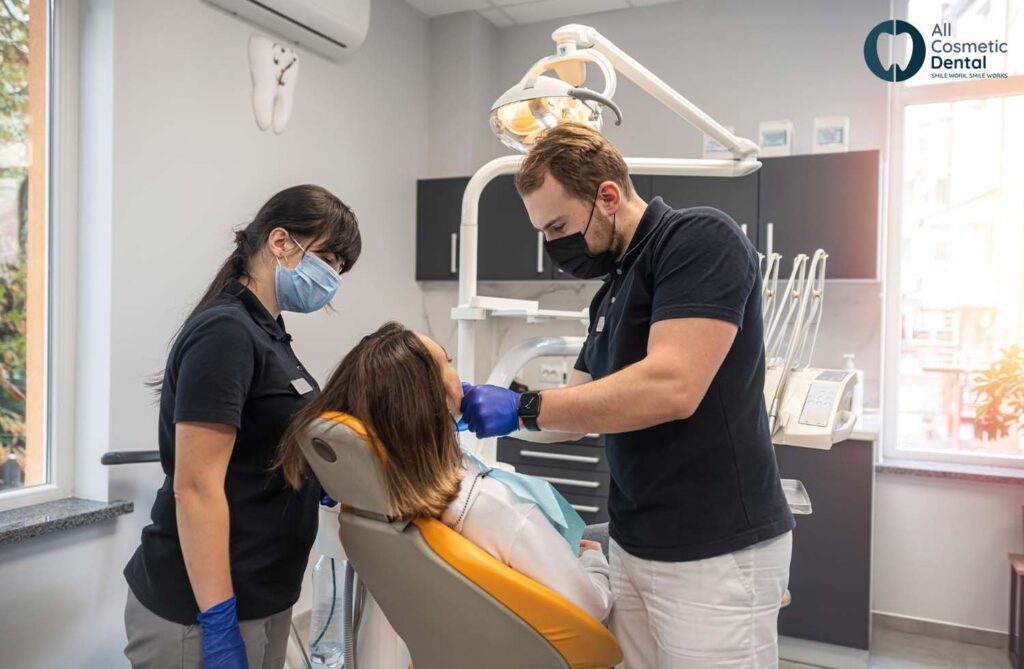
Root Canal Therapy is an endodontic procedure that strives to save a decaying, diseased or dying tooth. A tooth exposed to decay may be susceptible to gross damage and require root canal therapy without proper intervention. During root canal therapy, any living tissue within the teeth including the pulp and nerves and the decay are removed and the tooth is packed with proper dental materials to preserve the tooth and its functional abilities.
Signs You Need a Root Canal Treatment
Many common dental complaints can be a sign for you to get Root Canal Therapy. While these dental problems may not inherently call for an RCT or any comprehensive treatment at all, there are several warning signs you need to look out for.
● Persistent toothache
If you are consistently going through pain when eating, chewing or light teeth grazing, and cannot seem to get rid of the incessant pain, it may be an issue to be solved by your Endodontist. Continuous bouts of pain, sometimes even presenting as referred pain to the face, jaw or other teeth may be a striking sign that you need a Root Canal Therapy. Get in touch with a professional immediately upon discovery.
● Hypersensitivity to colds and hots
Suppose you have experienced sensitivity when you are indulging in an ice cream bar or when you are downing your daily cup of sizzling hot coffee. In that case, it may be an indication of widespread tooth infection. If hypersensitivity persists for a long time even after the stimulus has been removed, it could be a sign that your teeth are infected or damaged and hence you may need a Root Canal.
● Tooth Discoloration
Oftentimes, teeth may be discoloured or darkened following sudden and critical impact. Trauma to the tooth either due to accidents or violence and internal breakdown of the tooth tissues may give the tooth a grayish-black hue. This is a good indication for Root Canal Therapy.
● Chipped or Cracked Teeth
If you have recently chipped a tooth during an accident or contact sports, you may be at a higher risk of damaging your tissues and tooth nerves. Getting in touch with a professional dentist with All Cosmetic Dental can help you determine whether you need the root canal treatment or if it can be fixed with other treatments.
● Swollen and tender gums
Swollen gums around the site of tooth decay or pain may be a sign of an issue that needs a root canal. The swelling may be tender and inconsistent, or you may have a small ‘pimple’ on the gum surface resembling a boil. This gum boil may ooze pus and is diagnostic of an abscess.
● Chipped or Cracked Teeth
If you have recently chipped a tooth during an accident or contact sports, you may be at a higher risk of damaging your tissues and tooth nerves. Getting in touch with a professional dentist with All Cosmetic Dental can help you determine whether you need the root canal treatment or if it can be fixed with other treatments.
The Root Canal Procedure
The process of a root canal involves several steps. First, the dentist will take an X-ray to see the shape of the root canals and determine if there are any signs of infection in the surrounding bone. Local anesthesia is typically administered to numb the area and prevent pain during the procedure.
Next, the dentist places a rubber dam around the tooth to keep it dry and free of saliva. An opening is then made in the crown of the tooth to access the pulp chamber. Using special tools, the dentist removes the infected or damaged pulp, and then cleans and shapes the inside of the root canals.
After the canals are cleaned and shaped, they are sterilized to remove any remaining bacteria. The cleaned canals are then filled with a biocompatible material called gutta-percha and sealed with dental cement. Finally, a filling is placed to cover the opening on top of the tooth. In most cases, further restoration with a crown is necessary to protect the tooth, restore its full function, and prevent it from breaking.
Why Root Canal Treatment is Necessary
The primary reason to undergo a root canal treatment is to save a tooth that would otherwise need to be removed. Losing a tooth can cause other teeth to shift out of place and lead to difficulties in chewing and jaw problems. A root canal allows you to maintain your natural tooth and avoid the need for more complex dental work.
Moreover, root canal treatment eliminates the pain caused by the tooth’s damaged or infected pulp. Although the procedure has a reputation for being painful, most people report that the procedure itself causes no more discomfort than having a filling placed.
The benefits of root canal treatment are many. It allows you to keep your natural smile, continue eating the foods you love, and limits the need for ongoing dental work. With proper care, most teeth that have had a root canal treatment can last a lifetime.
Additionally, unlike tooth extraction, which requires follow-up appointments for a denture, bridge, or implant, a root canal is usually a one-time procedure. This can save time and money in the long run and reduce the number of visits to the dentist.
Conclusion
Knowing the indicative signs of a root canal procedure, you need to visit the dentist for your dental check-up and comprehensive treatment following the diagnosis. Our team at All Cosmetic Dental makes sure that every dental concern is addressed and an extensive treatment plan is immediately put into action.
The treatment will restore the functionality of the tooth and give you the confidence to share your smile with the world. We assure you that you will be provided with a well-modulated Root Canal Therapy and that we will cut off the infection at the roots! Contact us today to learn more.