
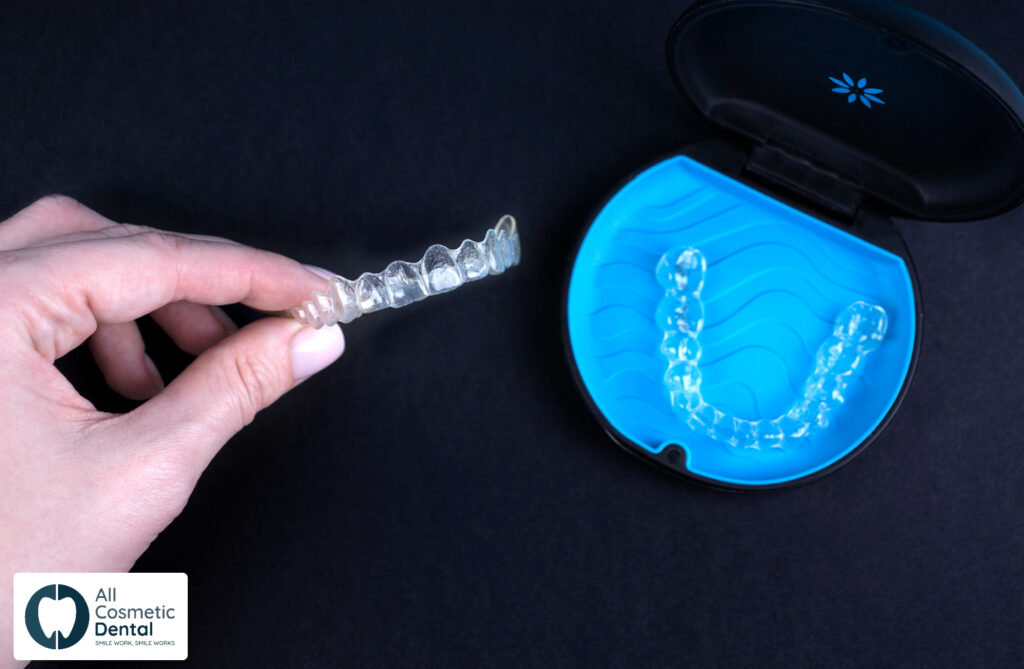
Clenching or grinding your teeth which is also known as bruxism happens mostly to people during sleep. Your smile is one of your most valuable assets, but it can be under threat even while you sleep. If you often wake up with a sore jaw, headaches, or tooth pain, you might be grinding your teeth at night.
This condition, known as bruxism, can cause significant damage to your teeth over time. Thankfully, night mouth guards provide a simple and effective solution to protect your teeth while you sleep.
Understanding Bruxism
Bruxism is the medical term for grinding, gnashing, or clenching your teeth. It often occurs during sleep, which makes it hard to control. There are two main types of bruxism: sleep bruxism and awake bruxism. Sleep bruxism is more common and can lead to more severe dental issues since it occurs unconsciously.
Common signs of bruxism include:
- Worn or flattened teeth
- Increased tooth sensitivity
- Jaw pain or tightness
- Headaches, particularly upon waking
- Damage to the inside of the cheeks from biting
While the exact cause of bruxism is not fully understood, several factors can contribute to the condition. These include:
Stress and Anxiety: Emotional stress is a significant trigger for bruxism. People who are anxious or stressed are more likely to grind their teeth, especially during sleep.
Sleep Disorders: Conditions like sleep apnea can lead to bruxism. The disruption in normal sleep patterns can cause unconscious teeth grinding.
Medications: Some medications, particularly certain antidepressants, have been linked to an increased risk of bruxism.
Lifestyle Factors: Caffeine and alcohol consumption can exacerbate bruxism. Smoking is also a risk factor.
Misaligned Teeth: Abnormal alignment of upper and lower teeth can contribute to grinding during sleep.
What Are Night Guards?
Night bite guards are custom-made dental devices that you wear over your teeth while you sleep. They act as a barrier between your upper and lower teeth, preventing them from grinding against each other. Night guards are typically made from durable materials like plastic or acrylic, designed to withstand the pressure of grinding.
Read more on the types of night guards in our comprehensive guide.
Benefits of Using a Night Guard
Using a night guard can provide several benefits for your oral health and overall well-being:
- Night guards prevent the grinding and clenching that can lead to chipped, cracked, or worn-down teeth. This helps maintain your teeth’s integrity and strength.
- By cushioning the jaw muscles, night guards can alleviate the pain and discomfort associated with bruxism. This can lead to more restful sleep and improved quality of life.
- Many people with this experience headaches due to the constant tension in their jaw muscles. Wearing a night guard can significantly reduce the frequency and severity of these headaches.
- If you have crowns, bridges, or other dental work, a night guard can help protect these investments from the damage caused by grinding.
- By reducing the discomfort and pain associated with clenching, night guards can help you achieve a deeper, more restful sleep.
For the best protection, it’s essential to get a night guard that is custom-made for your teeth.
The procedure for custom dental night guard begins with your dentist will examine your teeth and take impressions to create a mold of your mouth. The mould is sent to a dental lab where your custom night guard is crafted. This process ensures a precise fit that maximises comfort and effectiveness. Once your night guard is ready, you’ll return to the dentist for a fitting. The dentist will ensure it fits correctly and make any necessary adjustments.
Caring for Your Night Guard
To ensure your night guard lasts as long as possible and remains effective, proper care is essential:
- Clean Daily: Rinse your night guard with cool water and brush it gently with a soft toothbrush and non-abrasive toothpaste. Avoid using hot water, as it can warp the material.
- Store Properly: Keep your night guard in a protective case when not in use. Make sure the case is clean and dry.
- Avoid Chewing: Refrain from chewing on your night guard, as this can cause damage.
- Regular Check-ups: Bring your night guard to your dental appointments so your dentist can check for wear and ensure it still fits correctly.
Conclusion
Night guards are a simple yet effective way to protect your teeth from the damaging effects of bruxism. By preventing tooth damage, reducing jaw pain, and improving sleep quality, these devices can significantly enhance your oral health and overall well-being. If you suspect you have bruxism, talk to our expert about getting a custom night guard, Contact us today.