
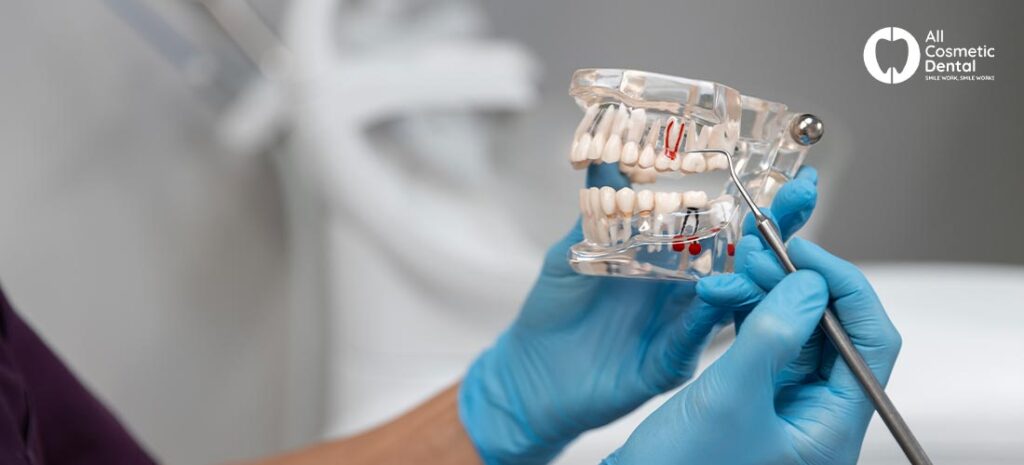
Dental crowns are a popular and effective solution for restoring the strength, appearance, and functionality of damaged or weakened teeth. Whether you have a chipped tooth, significant decay, or want to enhance your smile, a dental crown can offer reliable results. With various materials and designs available, crowns are tailored to suit individual dental needs. In this guide, we’ll walk you through everything you need to know about dental crowns, including their types, benefits, procedures, and aftercare, guiding you toward a smarter decision for improved health and a confident smile.
What is a Dental Crown?
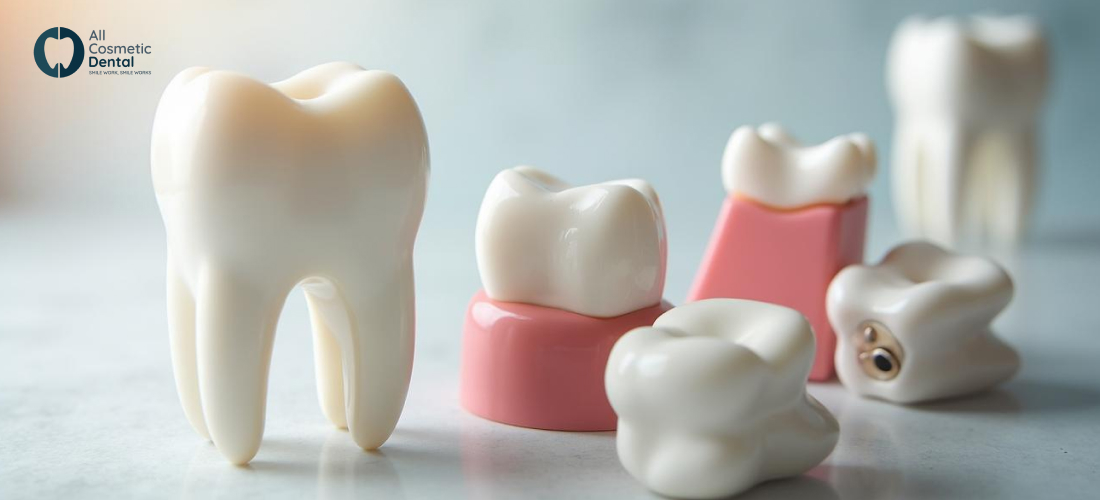
A dental crown is a cap-shaped restoration placed over a damaged, decayed, or weakened tooth to repair and improve the form, dimensions, durability, and look of a compromised tooth. It completely surrounds the exposed portion of the tooth above the gumline, offering protection and enhancing its use. Crowns are commonly used after root canals, large fillings, or fractures. They are made from materials like porcelain, ceramic, metal, or resin, chosen based on durability and aesthetics, ensuring a natural and long-lasting smile.
Types of Dental Crown
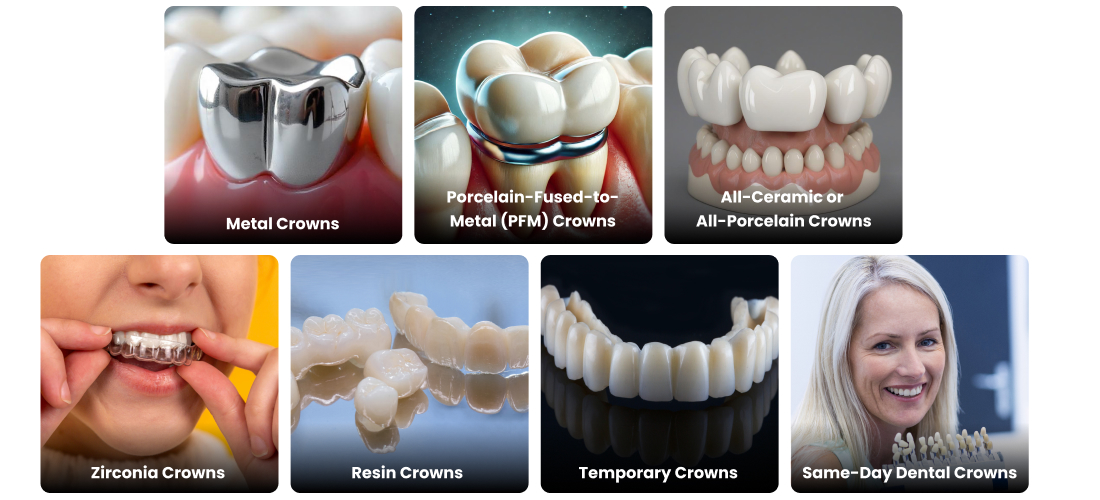
Metal Crowns:
Metal crowns, made of gold, platinum, or base metal alloys, are known for their durability and resistance to wear. They are best suited for molars as they can withstand heavy biting and chewing forces. While not the most aesthetically pleasing option, their strength makes them a preferred choice for non-visible teeth.
Porcelain-Fused-to-Metal (PFM) Crowns:
PFM crowns combine the resilience of metal with the natural look of porcelain. They feature a metal base with a porcelain layer, making them ideal for visible teeth. However, over time, the metal base may create a grey line near the gum line, which some patients find unappealing.
All-Ceramic or All-Porcelain Crowns
These crowns are priced for their natural appearance and are often recommended for front teeth. Being metal-free, they are also a good choice for individuals with metal allergies. However, all-ceramic crowns may be weaker than metal or zirconia options, making them less suitable for molars.
Zirconia Crowns
Zirconia crowns are popular due to their exceptional strength, durability, and aesthetic appeal. They are biocompatible and less likely to cause allergic reactions or irritation. Zirconia crowns work well for both front and back teeth, offering a versatile solution for dental restoration.
Resin Crowns
Resin crowns are a cost-effective alternative but less durable than other options. Due to their susceptibility to wear and damage over time, they are typically used as a temporary solution.
Temporary Crowns
Temporary crowns protect the tooth while waiting for the permanent crown to be made. They are usually crafted from acrylic or stainless steel and are not designed for long-term use. They ensure the tooth remains functional and protected during the interim period.
Same Day Dental Crowns
For patients seeking a quicker solution, same day dental crowns are an excellent option. Using advanced CAD/CAM (Computer-Aided Design/Computer-Aided Manufacturing) technology, dentists can design, create, and place a permanent crown in a single visit. These crowns are typically made of ceramic and offer a durable, aesthetically pleasing, and time-efficient alternative to traditional multi-visit crown procedures.
When Would You Need a Dental Crown?
A dental crown is needed to restore its structure, strength, and function when a tooth is damaged, weakened, or at risk, such as after a root canal. It can also refine the appearance of stained or unevenly shaped teeth. Each of these situations highlights the versatility of dental crowns in preserving and enhancing your smile.
What Happens During a Dental Crown Procedure?
A dental crown procedure usually involves two appointments: one for preparation and another for placement.
First Visit
Tooth Preparation
- The dentist trims a thin layer of enamel from the tooth to make room for the crown. If necessary, they may use filling material to build up areas for better support. This step provides a strong base for securing the crown.
Taking Impressions
- After preparing the tooth, the dentist captures impressions with either a soft moulding material or a digital scanning device. The results are sent to a dental lab to curate a custom crown to match your natural tooth’s shape and color.
Temporary Crown Placement
- Creating a permanent crown typically takes two to three weeks, so a temporary crown protects the tooth during this time. Temporary crowns are usually made from acrylic or resin.
Second Visit
Temporary Crown Removal
- To prepare for the permanent one, the dentist extracts the temporary crown and cleans the tooth.
Fitting and Adjustments
- Your new crown is checked for proper fit, color, and comfort. Minor adjustments may be made to ensure your bite feels natural.
Final Placement
- After confirming that the crown fits properly, the dentist secures it to the tooth with durable dental cement, finalising the procedure.
Are Dental Crowns Painful?
The procedure is generally not painful due to the use of local anesthesia. Patients may feel some sensitivity or discomfort after the procedure, especially to temperature changes, but this is a short-term issue that can be addressed using non-prescription pain medications.
How Long Does It Take to Feel Better After a Dental Crown Procedure?
Most people start feeling better within a few days. Some sensitivity to temperature changes or slight soreness around the tooth is normal, but these issues usually ease within a week as the crown settles. Maintaining good oral hygiene and avoiding tricky or sticky foods during this time helps heal.
What Are the Benefits of Dental Crowns?
Dental crowns provide multiple benefits, making them essential for repairing damaged teeth and maintaining oral health. Here’s a detailed look at why they are so effective:
1. Restoring Tooth Shape and Function
- Crowns rebuild a tooth’s natural size and shape, making it functional again for eating, chewing, and speaking. They help damaged teeth perform like other teeth.
2. Protecting Weak Teeth
- A dental crown encases and safeguards a tooth that has been weakened by rot, injury, or treatment like a root canal. It acts as a shield, reducing the chance of further damage.
3. Refining Your Smile
- Crowns can hide imperfections like discoloration, cracks, or misshapen teeth. They’re customised to blend in with your natural teeth, giving your smile a seamless and polished appearance.
4. Durable and Long-Lasting
- Made from strong materials such as porcelain or ceramic, crowns can last many years with the right care. They’re designed to withstand the daily wear of eating and drinking.
5. Preventing Future Dental Issues
- By covering the tooth completely, crowns prevent further wear and tear or decay, helping you avoid more complex dental procedures down the road.
6. Supporting Other Treatments
- Crowns are often used to hold dental bridges, cover dental implants, or protect large fillings. They provide stability and ensure the success of these treatments.
7. Maintaining Alignment
- When a tooth is missing or critically damaged, neighboring teeth can shift over time. A crown keeps your teeth aligned, preserving your bite and jaw health.
In conclusion, dental crowns are not just a cosmetic fix—they play a vital role in protecting and restoring teeth while enhancing overall oral health. With proper care, they offer a reliable solution that lasts for years.
What Are the Disadvantages of Dental Crowns?
- Cost: Crowns can be expensive depending on the material used.
- Tooth Preparation: Requires removal of some healthy tooth structure.
- Risk of Damage: Crowns may chip, crack, or become loose over time.
- Temporary Sensitivity: Some patients experience sensitivity after the procedure.
Risks of Having a Dental Crown Procedure
- Allergic Reactions: Rare but possible with certain materials.
- Infection: If the crown does not fit properly or if decay develops under the crown.
- Crown Failure: Crowns may loosen or fall off if not properly maintained.
How Do I Care for My Dental Crown?
- Brush and floss daily to keep the area around the crown clean.
- Avoid biting hard objects to prevent cracking.
- Visit your dentist regularly for proper cleanings and check-ups.
Foods to Avoid with a Dental Crown

To protect your dental crown and ensure its longevity, avoid these foods:
- Sticky Foods: Gum, caramels, and taffy can loosen the crown.
- Hard Foods: Popcorn kernels, hard candies, and nuts may crack or chip the crown.
- Sugary & Acidic Foods: Sweets and citrus can lead to decay around the crown edges.
- Tough Meats: Jerky and steak put undue pressure on the crown.
- Extreme Temperatures: Very hot or cold foods can cause sensitivity.
Are Dental Crowns Permanent?
Dental crowns are not permanent but are built to last for many years with good care. Their lifespan usually ranges from 10 to 15 years or more, depending on factors like the materials used, oral hygiene habits, and avoiding excessive wear from grinding or chewing hard items. Daily dental check-ups and proper care can help crowns remain functional and protective for an extended period, offering a reliable solution for restoring damaged teeth.
How Long Do Crowns Last?
The longevity of a dental crown varies based on the material and care it receives. On average, crowns can last between 10 to 15 years, but with proper oral hygiene and regular dental visits, they may remain functional for much longer. Factors like avoiding hard or sticky foods and addressing habits like teeth grinding can also help extend their lifespan, making crowns a durable solution for restoring and protecting teeth.
Dental Cap vs. Dental Crown: Is There a Difference?

There is no difference between a dental cap and a dental crown. The terms are used interchangeably to describe the same dental restoration.
Which Option Is Right for Me?
- Veneers: A thin shell covering the front of the tooth, primarily for cosmetic purposes.
- Crowns: Cover the entire tooth and are used for both cosmetic and functional purposes.
Your dentist can recommend the best option based on the condition of your teeth and your desired outcome.
What’s the Most Common Alternative to a Crown?
- Inlays or Onlays: Used for less extensive damage.
- Dental Bonding: An affordable but less durable solution for minor damage.
- Veneers: For aesthetic improvements.
When Should I Call a Dentist?

You should contact your dentist if you notice a loose or missing crown, as it may leave the tooth vulnerable to damage. Persistent pain or sensitivity to temperature or pressure could signal an issue with the crown or underlying tooth. Additionally, signs of infection, such as swelling, redness, or an unpleasant taste, require prompt dental care to prevent complications. Acting quickly in these situations ensures the health and stability of your dental work.
All Cosmetic Dental, is a Best Dental Clinic for Dental Crowns Sydney. We offer same day dental crowns for patients seeking quick and reliable solutions. If you’re experiencing any dental crown issues or want a fast, efficient crown placement, contact us today for expert care.
Conclusion:
Dental crowns provide a reliable, long-lasting solution for restoring damaged teeth, protecting weakened enamel, and enhancing the appearance of your smile. Whether you’re dealing with a cracked tooth, large filling, or post-root canal recovery, crowns can bring back comfort, confidence, and function. With various materials to choose from, your dentist can help select the great option based on your needs, budget, and lifestyle.
If you’re considering a dental crown or have concerns about a tooth that may need one, don’t wait for the problem to get worse. Our team at All Cosmetic Dental in Sydney is here to guide you every step of the way—from assessment to treatment and aftercare.
Book your consultation today and take the next step toward a healthier, stronger smile.