
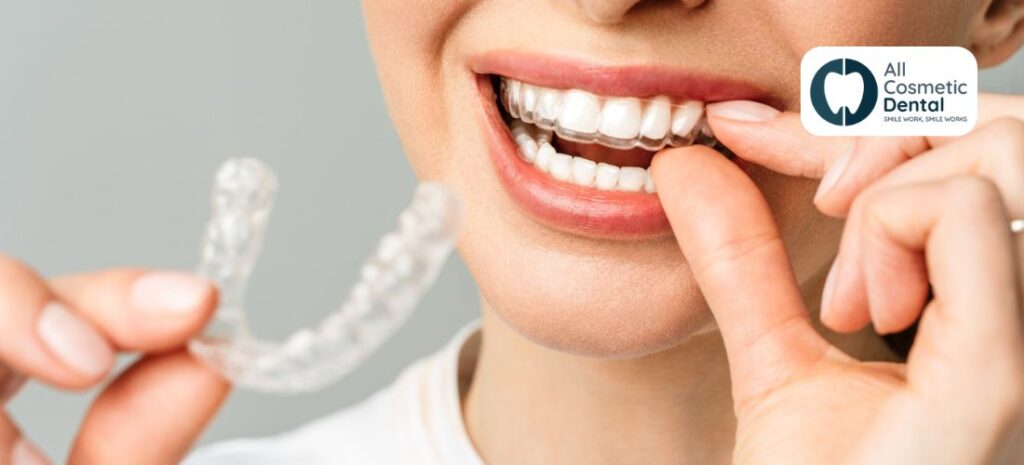
Bruxism, commonly called teeth grinding, impacts many people and can cause dental problems like enamel erosion, tooth damage, and jaw pain. To mitigate these problems, many individuals turn to night guards. However, the decision between custom-made and store-bought options can be challenging. Understanding the distinctions between these two types of night guards is crucial in making an informed selection that best suits your dental health needs.
Understanding Bruxism and Its Impact on Dental Health
Bruxism, or teeth grinding, affects nearly 10–15% of adults and many children. It often occurs unconsciously during sleep, leading to various dental and health problems.
How Bruxism Affects Your Teeth and Jaw?
- Enamel Erosion: Frequent teeth grinding gradually erodes the enamel, raising the risk of tooth sensitivity and cavities.
- Jaw Pain and TMJ Disorders: Excessive clenching can strain the jaw muscles, leading to temporomandibular joint (TMJ) issues, headaches, and facial discomfort.
- Tooth Fractures and Damage: Persistent pressure from grinding can cause small cracks or even break teeth.
- Gum Recession: Bruxism may contribute to gum damage, increasing the risk of periodontal disease.
Many people don’t realise they grind their teeth until they experience pain or their dentist notices wear patterns on their teeth. A night mouth guard is one of the most effective solutions to prevent further damage.
What Is a Night Guard, and How Does It Work?
A night mouth guard is a protective dental appliance worn over the teeth while sleeping to reduce the effects of grinding and clenching. It acts as a cushion, absorbing the pressure exerted during bruxism and preventing direct tooth-to-tooth contact.
How Does a Night Guard Help?
- Prevents Tooth Wear: A mouthguard for sleeping creates a barrier between the upper and lower teeth, stopping them from grinding against each other.
- Reduces Jaw Strain: Easing pressure on the jaw muscles helps alleviate pain and discomfort associated with TMJ disorders.
- Minimises Headaches and Facial Pain: Many people with bruxism experience tension headaches, which a night guard can help reduce.
- Protects Dental Work: If you have crowns, veneers, or fillings, a night guard can prevent damage and prolong their lifespan.
Night guards come in two main types: custom-fitted by a dentist and store-bought (over-the-counter) versions. Choosing the right one depends on several factors, including comfort, durability, and cost.
Custom vs. Store-Bought Night Guards: Key Differences
Choosing between a custom night mouth guard and an over-the-counter (OTC) mouth guard for sleeping depends on comfort, durability, and effectiveness. Here’s how they compare:
1. Fit and Comfort
- Custom Night Guards: Designed based on dental impressions taken by a dentist, ensuring a precise fit for maximum comfort and protection.
- Store-Bought Night Guards: These are available in a one-size-fits-all or boil-and-bite format, which may not fit securely, leading to discomfort or difficulty keeping them in place overnight.
2. Protection and Effectiveness
- Custom Guards: Offer superior protection against bruxism since they are tailored to match the exact alignment of your teeth.
- Store-Bought Guards: Provide a basic level of protection but may not adequately absorb the pressure from severe grinding.
3. Durability
- Custom Guards: Made from high-quality, long-lasting materials that can withstand years of use.
- Store-Bought Guards: Typically made from softer plastic that wears down quickly and needs frequent replacement.
4. Cost
- Custom Guards: They are more expensive but last significantly longer.
- Store-Bought Guards: These are affordable, but they may need frequent replacement, increasing long-term costs.
5. Accessibility
- Custom Guards: Require a dental visit, which may take longer but ensures professional evaluation.
- Store-Bought Guards: Readily available at pharmacies, offering a quick and inexpensive solution.
If you have moderate to severe teeth grinding, a custom night mouth guard is the better investment. For mild cases, a store-bought version may be sufficient.
If you are looking for Custom Mouthguards in Castle Hill, Sydney, visit All Cosmetic Dental Today or book an Appointment.
Pros and Cons of Custom and Store-Bought Night Guards
Both custom and store-bought night mouth guards offer protection, but their effectiveness varies based on individual needs. Below is a breakdown of their advantages and drawbacks.
Custom Night Guards
Pros:
- Perfect fit, ensuring comfort and stability
- Made from durable, high-quality materials
- Provides maximum protection for teeth and jaw
- Reduces TMJ pain and associated headaches
- Longer lifespan, often lasting several years
Cons:
- Higher upfront cost
- Requires a dental visit, which takes time
- Not instantly available for purchase
Store-Bought Night Guards
Pros:
- Affordable
- Easily available at pharmacies or online
- Quick solution for mild bruxism
- No need for a dental visit
Cons:
- One-size-fits-all design may not fit securely
- Less durable, requiring frequent replacement
- May not provide adequate protection for severe teeth grinding
- Can cause discomfort or breathing difficulties if not fitted properly
If comfort, durability, and protection are priorities, a custom night mouth guard is better. However, a store-bought guard can work as a temporary or budget-friendly solution.
Final Verdict: Which Night Guard is Right for You?
| Feature | Custom Night Guard | Store-Bought Night Guard |
| Fit & Comfort | Perfect fit, very comfortable | Can be loose or uncomfortable |
| Protection | Maximum protection against bruxism | Limited protection for severe grinding |
| Durability | Lasts 3–5+ years | Lasts a few months |
| Cost | Higher Than Store-Bought Night Guard | Less than Custom Night Guard |
| Convenience | Requires a dentist visit | Available instantly |
| Customisation | Fully customised to your teeth | Limited adjustability |
| Best For | Severe bruxism, TMJ pain, long-term use | Mild bruxism, temporary use, budget-conscious users |
How to Choose the Right Night Guard for Your Needs?
Selecting the best night mouth guard depends on several factors, including the severity of your teeth grinding, comfort preferences, and budget. Here’s a step-by-step guide to help you make the right choice.
1. Identify the Severity of Your Teeth Grinding
Before purchasing a mouth guard for sleeping, determine how severe your bruxism is:
- Mild Grinding: Occurs occasionally with minimal discomfort. A boil-and-bite store-bought night guard may suffice.
- Moderate Grinding: Happens frequently and may cause morning jaw soreness. A thicker OTC night guard or an entry-level custom guard is recommended.
- Severe Grinding: Leads to tooth damage, jaw pain, and headaches. A custom night guard made by a dentist is crucial to protect your teeth and jaw.
2. Consider Your Comfort Level
Comfort is key when choosing a night guard, as an uncomfortable fit may cause irritation or disrupt your sleep.
- Custom night guards provide the best fit and are designed to match your exact bite.
- Boil-and-bite OTC guards offer some level of customisation but may still feel bulky.
- One-size-fits-all guards are often the least comfortable and may fall out during sleep.
If you struggle with wearing a night mouth guard, opting for a thinner, custom-fit version may help you adjust more easily.
3. Choose the Right Material for Your Needs
| Material Type | Best For | Pros | Cons |
| Soft Night Guard | Mild bruxism | Comfortable, affordable | Wears out quickly, less protection |
| Dual-Laminate Guard | Moderate grinding | Durable, absorbs impact well | Slightly bulkier |
| Hard Acrylic Guard | Severe bruxism, TMJ pain | Long-lasting, best protection | Can feel rigid at first |
A hard acrylic custom guard is the most effective option if you grind your teeth aggressively. For moderate cases, a dual-laminate guard balances durability and comfort.
4. Evaluate the Cost and Long-Term Value
Cost is an important factor, but so is durability.
- Custom Night Guards
- It has a higher upfront cost but lasts 3–5 years or more.
- It’s the best long-term investment for serious grinders.
- Store-Bought Night Guards
- It has a lower initial price but needs frequent replacement.
- Costs add up over time, making them less cost-effective.
If you’re unsure, consulting a dentist in Sydney can help determine whether an investment in a custom night mouth guard is worth it based on your condition.
5. Check for Additional Features
Some night guards offer extra benefits to enhance comfort and protection:
- Thin-profile guards – Less bulky and more straightforward to adjust to.
- BPA-free materials – Safer and non-toxic for prolonged use.
- Breathing holes – Help with airflow, especially for those with mild sleep apnea.
If you suffer from jaw pain or TMJ issues, ask your dentist about splint-style night guards, which offer additional support for your jaw alignment.
Final Thoughts: Making the Best Choice
- For severe bruxism, invest in a custom night mouth guard for maximum protection.
- If you have mild teeth grinding, a boil-and-bite OTC night guard may be a budget-friendly option.
- Consider comfort, durability, and cost to make the best decision for your dental health.
Caring for Your Night Guard: Maintenance Tips
Proper care of your night mouth guard ensures its longevity, hygiene, and effectiveness. Whether you use a custom or store-bought night guard, following a cleaning routine helps prevent bacteria buildup and material degradation.
1. Rinse After Each Use
Every morning, rinse your mouth guard for sleeping with lukewarm water to remove saliva and debris.
- Avoid hot water, as it can warp the material.
- Pat dry before storing to prevent bacterial growth.
2. Brush Gently with a Soft Toothbrush
- Use a soft-bristled toothbrush with mild, non-abrasive toothpaste or soap.
- Avoid whitening toothpaste, as it can damage the guard.
- Brush gently to remove plaque without scratching the surface.
3. Deep Clean Weekly
Soak your night mouth guard once a week to eliminate bacteria and odors. Suitable cleaning options include:
- Mild Denture Cleaners – Dissolve in water and soak for 10–15 minutes.
- Hydrogen Peroxide & Water Solution – A 50:50 mix for a quick disinfectant soak.
- Baking Soda Paste – Helps remove stains and neutralise odors.
Avoid:
- Harsh chemicals like bleach (damages the material).
- Vinegar (can make the guard brittle over time).
4. Store Properly in a Ventilated Case
- Keep your night mouth guard in a clean, dry case with ventilation holes.
- Keep it in a cool, shaded place, as exposure to heat or direct sunlight may lead to warping.
- If traveling, use a protective case to prevent damage.
5. Replace When Necessary
- Custom night guards last 3–5 years with proper care.
- Store-bought guards wear out within 3–6 months and should be replaced regularly.
- If you notice cracks, thinning, or a poor fit, it’s time for a replacement.
6. Keep It Away from Pets
Dogs love to chew on mouth guards, so always store yours securely.
Final Thoughts: Maintaining Your Night Guard for Long-Term Use
Every day cleaning and proper storage can extend the life of your night mouth guard, ensuring it remains hygienic and effective in preventing teeth grinding. If you notice wear and tear or discomfort, consult your dentist in Sydney for a replacement or adjustment.
Conclusion
Choosing between a custom night mouth guard and a store-bought alternative depends on your individual needs, budget, and severity of teeth grinding.
- If you experience moderate to severe bruxism, a custom-fitted night guard offers superior protection, comfort, and durability, making it the best long-term investment.
- An over-the-counter night guard can serve as a temporary or budget-friendly solution for mild or occasional grinding.
Regardless of your type, maintaining your mouth guard for sleeping with regular cleaning and proper storage is essential for longevity and hygiene. If you’re unsure about the best option, consulting a dentist in Sydney can help you find the most effective solution customised to your needs.
By prioritising dental protection, you can prevent tooth damage, jaw pain, and headaches, ensuring long-term oral health and better sleep quality.
FAQs About Night Guards
1. How do I know if I need a night guard?
If you often wake up with headaches, jaw soreness, or signs of worn-down teeth, you could be experiencing bruxism. A night mouth guard can help prevent further damage. Your dentist in Sydney can diagnose the condition and recommend the right type of guard.
2. Can I wear a sports mouthguard as a night guard?
No. Sports mouthguards are designed for impact protection, while night guards are made to absorb grinding pressure. Using the wrong type can be ineffective and uncomfortable.
3. How long does it take to adjust to wearing a night guard?
It may take a few nights to a couple of weeks to get used to sleeping with a mouth guard for sleeping. If discomfort persists, consult your dentist for adjustments.
4. Can a night guard stop snoring?
Some custom night guards are designed to reposition the jaw slightly, which may help reduce mild snoring. However, they are not a substitute for anti-snoring devices or sleep apnea treatment.
5. How do I know when to replace my night guard?
Replace your store-bought night guard every 3–6 months and your custom night guard every 3–5 years (or sooner if you notice cracks, thinning, or a poor fit).