
Proper oral hygiene and care for your gums and teeth can determine how beautiful your smile is. But sometimes, this may go sideways. Premature tooth loss due to accidents or acute trauma, or as a natural process of aging can cause unwarranted stress on an individual. Despite advancements in dental care, Australians continue to fall victim to the effects of tooth loss.
For many years, the only solution to tooth loss was dentures accompanied by pesky oral features. But today, Dental implants have built a bridge of trust for their users and continue to be one of the most sought-after dental procedures to date.
In this article, we have covered all the essentials of dental implants to help you understand this treatment better and make an informed decision on choosing the right treatment for healthy oral health and smile.
What is a Dental Implant?

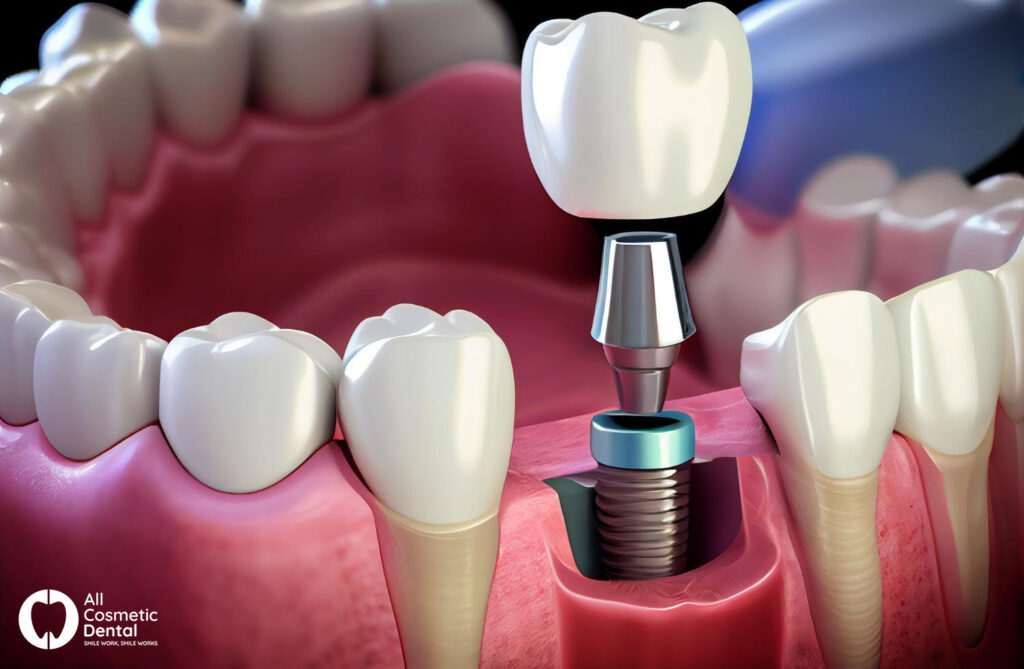
Think of dental implants as your artificial tooth root, similar in shape and form to a screw. These complex dental devices are surgically fitted into your jawbone to act as the tooth root and begin bonding with your bone to form a sturdy foundation. Once it has healed and conformed to your jawbone, a dental crowns is then placed over it to give form to the visible portion of the tooth in the mouth. Although elaborate in its structure, it is considered that dental implants are the strongest devices available to support teeth replacement. On top of that, they have been used successfully for over 30 years due to their strength and visible aesthetics, looking and feeling like natural teeth!
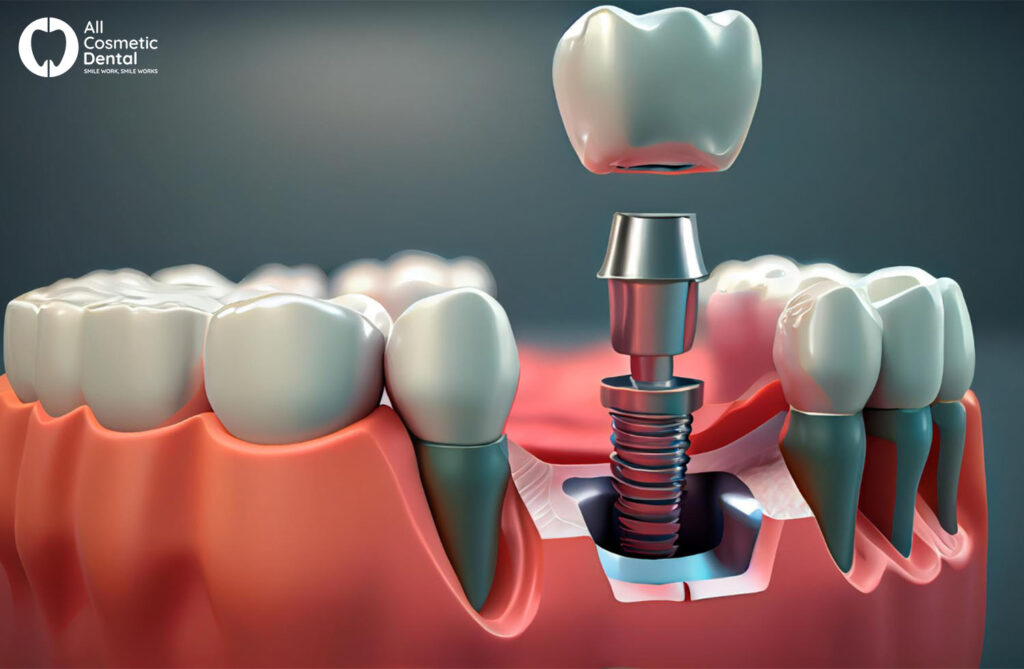
When considering dental implants, it’s essential to understand that they consist of three main components, each playing a crucial role in the functionality and aesthetics of the final result. This simplified breakdown will help clarify the purpose and importance of each part of a dental implant.
- The Implant: The foundational element of a dental implant is the implant itself, which acts much like the root of a natural tooth. This part is a screw, usually made of titanium, known for its strength and compatibility with human biology. The implant is inserted directly into the jawbone, where it provides the primary support for the prosthetic that will be added on top. Over time, the jawbone heals around this implant, a process known as osseointegration, which solidifies the screw’s position and ensures it can effectively support the additional components of the implant.
- The Abutment: Attached to the implant is the abutment, a small but vital component that serves as a connector between the implant (the screw in the jawbone) and the crown (the visible prosthetic tooth). The abutment is typically made of titanium, zirconium, or a combination of materials and is permanently fixed to the implant once the jaw has healed sufficiently. Its primary role is to provide a stable and secure platform for the crown so that the prosthetic tooth remains in place during everyday activities like eating, talking, and chewing.
- The Crown: The most visible part of a dental implant is the crown, which is the prosthetic tooth that is attached to the abutment. Crowns are typically made from materials like porcelain or zirconium, offering not only a high level of durability but also a natural appearance that can be matched to the colour of the surrounding teeth. The crown is custom-made to fit the patient’s mouth and blend seamlessly with their other teeth, providing both functional and aesthetic benefits.
Types of Dental Implants
The American Academy of Periodontology asserts that dental implants are of two major types:
- Endosteal implants (in the bone): Most commonly in use, these dental implants are of various types such as screws, cylinders, and blades, and are surgically placed into the jawbone. Each implant holds one or more prosthetic teeth. This type of implant is generally used as an alternative to bridges and removable dentures.
- Subperiosteal implants (on the bone): These implants are placed on top of the jawbone with the metal posts protruding through the gum to help adhere the prosthesis. These are mostly used for patients who are unable to wear conventional dentures due to minimal remaining bone height.
- Zygomatic Implants: Zygomatic implants are a specialized dental implant option designed for patients with extensive bone loss in the upper jaw. Unlike traditional implants that require sufficient jawbone density, these implants are anchored directly into the cheekbone, which offers greater strength and support. This advanced technique eliminates the need for bone grafting, making it a faster and more efficient solution for patients. Commonly used in full-mouth restorations, zygomatic implants provide a stable base for artificial teeth, restoring functionality and improving the appearance of the smile. For individuals with significant dental challenges, zygomatic implants are a reliable and transformative option to regain oral health and confidence.
Latest Advances in Dental Implant Technology
Dental implant technology has evolved significantly, offering faster healing, improved comfort, and higher success rates. Here are some cutting-edge advancements available in Sydney:
1. 3D-Guided Implant Surgery
- Utilizes digital imaging and AI-based precision mapping for accurate implant placement.
- Reduces surgery time, risk of complications, and healing duration.
2. Immediate Load Implants (“Teeth in a Day”)
- Also known as same-day implants, this technique allows temporary teeth to be placed immediately after the implant procedure.
- Ideal for patients with good bone density who want a quick and effective solution.
3. Zirconia Dental Implants (Metal-Free Option)
- Unlike traditional titanium implants, zirconia implants are 100% metal-free, making them a great choice for patients with metal allergies or sensitivity.
- They offer superior aesthetics, blending perfectly with natural teeth.
4. Mini Dental Implants (For Small Spaces or Limited Bone)
- Less invasive alternative to traditional implants.
- Requires no bone grafting, making them a quicker and more affordable option for patients with low jawbone density.
5. Platelet-Rich Plasma (PRP) Therapy for Faster Healing
- Uses the patient’s own blood to accelerate tissue regeneration and reduce recovery time.
- Helps in cases where bone grafting or extensive gum healing is required.
Many leading dental implant specialists in Sydney are adopting these latest techniques to improve patient comfort and ensure long-term success.
Are you an Ideal Candidate for Dental Implants?
Analogous to all other multi-layered surgical procedures, the placement of dental implants also demands a strict set of rules and regulations, some of which may be critical for the survivability of these dental devices. A reputed cosmetic dental implant clinic requires all implant candidates to be verified before placement. They suggest that you have the following attributes to qualify for a dental implant:
✔ Healthy gums
✔ Gums that do not have an actively progressing periodontal disease
✔ Adequate bone to support the implant (or one that can be a candidate for bone grafting)
✔ Excellent oral hygiene practices and regular dental visits
✔ Non-smoker, as smoking can significantly reduce the success rate of implants
✔ Controlled diabetes, hypertension, and cancer
What are Dental Implants and How Do They Work?
Dental implants are used to replace lost teeth. The procedure involves embedding a metal fixture in the jawbone, providing a strong foundation to support an artificial tooth. Over time, the implant bonds with the bone, ensuring durability and a natural appearance.
What is a Dental Implant Procedure Like?
1. During this initial consultation: they will assess your oral health, including the condition of your jawbone and gums, to determine the most suitable type of implant. This is where a personalised treatment plan is crafted, considering factors such as missing teeth and optimal locations for implants.
2. Types of Dental Implant Procedures:
- Replacing a Single Tooth: For those missing a single tooth, one implant and a crown are typically sufficient. The implant serves as a new root, providing stable support for the crown that will be visible above the gum line.
- Replacing Multiple Teeth: If you are missing several teeth, implant-supported bridges are an ideal option. Unlike traditional bridges, implant-supported bridges do not require reducing adjacent teeth since the implant provides all the necessary support.
- Replacing All Your Teeth: For patients who have lost all their teeth, an implant-supported full bridge or full denture can be placed. These options are more stable and comfortable than conventional dentures, offering a more permanent solution with greater functionality.
3. Additional Surgical Interventions: In some cases, additional preparatory surgeries may be necessary before placing the implants. For instance:
- Sinus Augmentation: Patients with insufficient bone height in the upper jaw or those whose sinuses are too close to the jaw may require a sinus lift. This procedure involves raising the sinus floor to develop bone for the placement of dental implants.
- Ridge Modification: If your jaw isn’t wide enough to support dental implants, ridge modification may be needed. This involves lifting the gum away from the ridge to expose the bone defect, which is then filled with a bone graft. This helps improve bone quantity and quality, creating a better foundation for implant placement.
4. The Implantation Process: The actual implantation involves inserting the implant into the jawbone at the designated location. This procedure is typically performed under local anesthesia and is minimally invasive.
5. Healing and Osseointegration: After the implant is placed, a healing period follows where the implant integrates with the bone—a process known as osseointegration. This can take several months, during which the implant becomes securely anchored to the jawbone.
6. Placement of the Abutment and Crown: Once healing is complete, the abutment is attached to the implant. This is followed by the placement of the crown, which is customised to match the colour and shape of your natural teeth, thereby restoring functionality and aesthetics.
What is the Recovery Process Like?
The recovery period after getting a dental implant varies from person to person. While the surgical procedure itself is minimally invasive, the healing and osseointegration (bone integration) process takes time. Here’s what you can expect:
1. Initial Recovery (First 48 Hours):
- Some swelling, minor bleeding, and discomfort are normal after the procedure.
- Pain is manageable with prescribed or over-the-counter pain relievers.
- Avoid hot foods, alcohol, and hard chewing for the first 24 hours.
2. First Two Weeks:
- The gum tissue around the implant heals.
- Opt for easily chewable foods such as yogurt, soup, and mashed potatoes.
- Avoid smoking as it slows healing and increases the risk of implant failure.
3. Osseointegration Phase (3-6 Months):
- The jawbone fuses with the implant, ensuring stability.
- During this phase, temporary crowns or dentures may be used.
- Regular dental visits in Sydney are crucial to monitor progress.
4. Final Crown Placement (After Healing):
- Once healing is complete, the final custom-made crown is attached.
- The implant will look, feel, and function just like a natural tooth.
Sydney Tip: Choosing an experienced dental implant specialist ensures a smooth recovery and long-term success.
Are Dental Implants Safe?
Dental implants are examined one of the safest and most reliable dental treatments. With a success rate of 95-98%, they are widely recognized as a permanent and effective solution for tooth loss.
Why Are Dental Implants Considered Safe?
✔ Made from Biocompatible Materials – High-grade titanium or zirconia implants integrate seamlessly with the bone, reducing the risk of rejection.
✔ Minimally Invasive Procedure – Executed under local anesthesia or sedation, making it pain-free and low-risk.
✔ Prevents Bone Loss – Unlike dentures, implants stimulate bone growth and prevent further deterioration.
✔ Long-Term Success with Proper Care – Unlike bridges, implants do not next to on adjacent teeth for support, reducing damage to natural teeth.
Potential Risks (Rare but Manageable):
- Infection at the Implant Site – Can be avoided with good oral hygiene.
- Implant Failure (Rare Cases) – More common in smokers or patients with uncontrolled diabetes.
- Nerve Damage or Sinus Issues – If improperly placed, but this is preventable with an experienced Sydney implant dentist.
Sydney Fact: The demand for dental implants in Sydney has grown due to high success rates and long-lasting results, making them a preferred choice over traditional tooth replacement methods.
Advantages
Dental implants have been looked upon as one of the most innovative treatments in the dental industry. With a high survivability rate, dental implants may be your true answer to tooth loss and replacement.
- Superior aesthetics: Made from porcelain or zirconium, dental implants look and feel like natural teeth.
- Improved speech: Unlike dentures, especially ill-fitting ones, dental implants do not obstruct your tongue and thus do not interfere in normal speech.
- Brilliant comfort: Dental implants become a part of your mouth and thus are as comfortable as your real teeth!
- Improved self-esteem: Tooth loss can impede one’s confidence and social awareness. With dental implants, you never have to worry about your appearance!
- Incredible oral health: Dentures and bridges are often difficult to clean and can be major offenders for the onset of gum disease. Dental implants are free from these issues.
- Impressive Durability: Implants are very durable and will last a lifetime if you pledge to take proper care of them.
How Successful are Dental Implants?
- Dental implants, in general, have a success rate of up to 98%! They have an unexhaustive life cycle and will last you as long as you take proper care of them.
Dental implants are brilliant dental devices with a long history of irrefutable evidence and research. If you are looking to upgrade your smile and gain back your confidence, dental implants may just be the answer for you! When performed by a trained and experienced dentist, dental implant surgeries are one of the safest and most predictable procedures in dentistry.
Looking to restore your smile with complete functionality? Contact us today to schedule your initial consultation and learn more about your eligibility.
How Long Do Dental Implants Last?
Factors Affecting the Longevity of Dental Implants
Oral Hygiene: Daily brushing, flossing, and professional cleanings are essential for preventing gum infections that could affect the implant.
Bone Density & Osseointegration: A strong jawbone supports long-term implant success. Patients with bone loss may need grafting before implantation.
Lifestyle Choices: Habits like smoking, heavy alcohol intake, and an unhealthy diet can weaken the gums and bone structure, increasing the risk of early implant failure.
Quality of the Implant & Materials Used: High-quality titanium or zirconia implants last longer and integrate better with the jawbone.
Regular Dental Check-ups: Routine visits to a Sydney-based implant dentist help detect potential issues early and keep the implant in top condition.
Did you know? Studies show that 95% of dental implants last beyond 20 years, and with good maintenance, they can function just like natural teeth for life.
Dental implants in Sydney can be a life-changing solution for those dealing with tooth loss. Costs generally fall between $3,000 and $6,500 for a single implant, which includes the implant post, abutment, and crown. Various factors influence these prices, such as the complexity of the procedure, the materials chosen, and whether additional treatments like bone grafting are necessary. Many Sydney dental clinics provide flexible payment plans to make the process more affordable. Private health insurance may also cover some costs, especially for surgical components. Although the initial expense may seem high, dental implants offer a durable and natural-looking alternative to missing teeth, ensuring long-term benefits. For individuals seeking a permanent fix that enhances both oral functionality and appearance, dental implants are a worthwhile investment in their confidence and overall health.
Why Choose Dental Implants in Sydney?
Sydney is home to some of Australia’s best dental implant specialists, offering state-of-the-art technology and personalized treatment plans.
Expertise & Experience – Highly qualified implantologists with years of experience.
Advanced Technology – 3D imaging, computer-guided surgery, and PRP therapy.
Customized Treatment Plans – Whether it’s a single implant or full-mouth restoration, Sydney clinics provide tailored solutions.
Flexible Payment Options – Many clinics offer interest-free payment plans to make implants more accessible.
Ready to restore your smile? Contact a Sydney-based dental implant specialist today for a consultation!
Frequently Asked Questions
1. What exactly are dental implants?
Dental implants are artificial tooth roots made from strong, body-safe materials like titanium or zirconia. These are placed in the jawbone to provide a sturdy base for replacement teeth, ensuring a natural fit and long-term support.
2. Who is eligible for dental implants?
People with healthy gums and sufficient jawbone strength are usually good candidates. If you have gum disease, bone loss, or certain medical conditions, your dentist may suggest pre-treatment options like bone grafting to improve success rates.
3. How long do dental implants stay in place?
With proper care, implants can last several decades, often a lifetime. The crown (tooth cap) may need replacement after 10–15 years due to wear, but the implant itself remains intact.
4. Is the procedure uncomfortable?
During placement, local anesthesia is used to minimize discomfort. Post-surgery, mild swelling or soreness is expected but manageable with pain relief methods recommended by your dentist.
5. What does a dental implant cost in Australia?
The cost for a single implant in Australia usually falls between $3,000 and $6,500, depending on factors like materials used, additional procedures (bone grafting), and clinic location. Some health insurance plans may partially covers the procedure.
6. How do implants compare to dentures?
Implants offer a fixed, natural-feeling solution, while dentures may shift or require adhesives. Unlike dentures, implants help maintain jawbone strength, prevent facial sagging, and improve chewing efficiency.
7. Are there risks involved?
Dental implants have a high success rate, but risks include infection, nerve sensitivity, or implant failure in rare cases. Choosing an experienced dentist and following proper aftercare can reduce these risks.
8. How long does the entire implant process take?
From implant placement to the final tooth attachment, the process can take 3 to 6 months. In some cases, same-day implants are possible, but traditional implants require healing time before the permanent crown is placed.
9. Can smokers get dental implants?
Smoking reduces healing speed and increases the chance of implant failure. Dentists often recommend quitting or reducing smoking for better long-term success.
10. How should I care for my dental implants?
Keeping implants in top shape is simple—brush and floss daily, use a soft-bristle toothbrush, avoid chewing hard foods, and attend routine dental check-ups to ensure everything stays in place.